How To Manage Gaming Time Without Burnout | 17 Proven Ways To Stay Balanced
How I Learned To Manage Gaming Time Without Burnout (and Enjoy Games Again)
Let me tell you something that happened to me not too long ago. I was sitting in front of my monitor, controller in hand, staring at the main menu of a game I’d been waiting weeks to play. But I couldn’t bring myself to hit “continue.” The thought of logging in, doing my dailies, and grinding for hours suddenly felt like work. That’s when I realized I wasn’t tired of gaming itself; I was just completely burned out.
At first, I didn’t understand what was happening. I thought maybe I’d just outgrown games or needed something new. But as the days passed, even switching titles didn’t help. The excitement I used to feel was gone, replaced by fatigue and guilt. That’s when it hit me: I didn’t need to quit gaming I needed to learnhow to manage gaming time without burnout.
Gaming burnout doesn’t strike all at once. It builds slowly, as you push through long sessions, skip breaks, and ignore that mental fatigue creeping in. Studies have shown that excessive screen time and repetitive play can reduce focus, slow reaction time, and even affect your emotional balance. I’ve seen it firsthand not just in myself, but in countless other players who love gaming as much as I do.
The good news? Burnout doesn’t mean the end of your passion. It’s a signal a reminder to reset your habits and reconnect with what makes gaming fun again. Over time, I’ve learned a few simple but powerful ways to stay balanced, avoid exhaustion, and enjoy games the way they were meant to be enjoyed. And that’s exactly what I want to share with you in this guide.
1. Set Daily Play Limits That Fit Your Life
I used to think I could play for hours and still be fine, but eventually, I realized it was draining my focus. Setting daily limits changed everything. Now I plan my gaming time the same way I plan work or meals. On weekdays, I stick to one or two hours; weekends are more flexible. Once the time’s up, I stop even if I’m mid-game. It’s hard at first, but it keeps gaming enjoyable instead of overwhelming.
2. Take Real Breaks Between Sessions
For the longest time, I played nonstop, only realizing how tired I was after a long session. Then I started taking 5-10 minute breaks every hour, stretching, grabbing water, or walking around. It’s incredible how much more energy and focus I have when I return. Those little breaks stop the brain fog before it starts.
3. Create A Balanced Schedule
I used to build my day around gaming. Now, I do it the other way around. Work, exercise, meals, and downtime come first; gaming fills the free slots. This balance keeps my days productive and makes gaming feel like a reward. I play better when I know I’ve handled everything else first.
4. Make Time For Movement
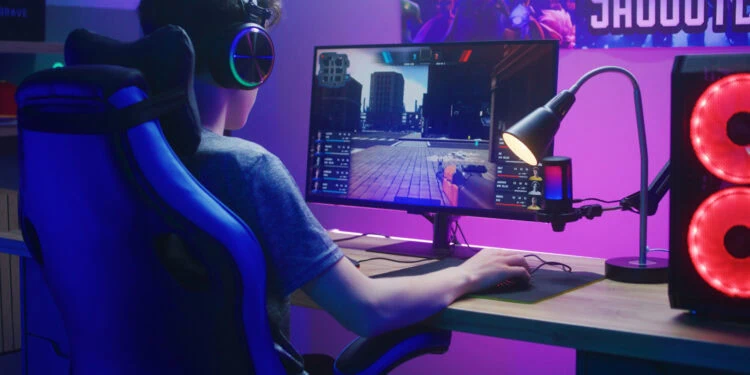
Gaming keeps your mind active, but your body needs its share too. I make it a rule to move daily, even if it’s just a quick workout, a walk, or some stretches between matches. Moving regularly keeps me alert, reduces fatigue, and even improves my gameplay because I feel sharper overall.
5. Play For Fun, Not Obligation
There was a time when I played just to “grind” or keep up with others. But gaming started feeling like a second job. Now I remind myself that games are meant to be fun. If I’m frustrated or bored, I take a break or play something different. The moment you feel pressure instead of joy, that’s your cue to pause.
6. Keep Variety In Your Gaming Life
I noticed that when I only played one game for months, I got bored and burned out faster. Now I switch between genres, a shooter one week and a cozy farming sim the next.
It resets my mind and keeps things exciting. Sometimes I even take a short break from gaming altogether; when I return, I’m twice as motivated. You can also check out a variety of games on Lost Life Blogto avoid burnout and keep your gaming sessions fun and refreshing.
7. Watch For Warning Signs Of Burnout
Burnout doesn’t hit suddenly; it creeps up. You’ll notice it when your favorite game starts feeling dull, or you keep playing just out of habit. I learned to recognize those signs early and take breaks before I hit the wall. It’s okay to step away for a few days your progress will still be there when you return.
8. Use Tools To Stay Accountable
Timers and tracking apps have been game-changers for me. Tools like RescueTime, Forest, or even your console’s built-in playtime limit remind you when you’ve hit your limit. It’s not about restricting fun; it’s about being mindful. Once you see the numbers, you’ll naturally start managing better.
9. Connect With People Outside Gaming
There was a time I only talked to my online teammates. Now, I make sure to spend real time with friends and family, even if it’s just chatting or sharing a meal. Real-world connections help keep your emotions balanced, and they make your gaming sessions feel more rewarding when you return.
I’ve also found that applying a few multiplayer gaming tipslike setting limits for team sessions or focusing on fun over competition can make social gaming feel lighter and more meaningful.
10. Reflect Often And Adjust Your Habits
Every few weeks, I ask myself a simple question: Am I still enjoying this? If I’m not, something needs changing maybe the schedule, the game, or even my mindset. Gaming habits, just like any other lifestyle habit, evolve. Adjusting them keeps burnout far away.
11. Create Your Personal Gaming Calendar
One of the smartest things I did was create a small calendar just for gaming. I mark release dates, friend events, and play sessions around my real-life schedule. This helps me see the bigger picture of when to game and when to rest. Planning ahead removes the guilt of “wasting time” and helps me enjoy gaming more intentionally.
12. Saying No To “Just One More Game”
This was my biggest struggle. I used to keep saying, “just one more,” until hours vanished. Now, I treat the first urge to play another match as my signal to stop. That self-control didn’t come overnight but every time I said “no,” it got easier. Stopping while still having fun makes me look forward to the next session even more.
13. Take Care Of Your Body While You Game
It’s easy to forget posture and hydration during long gaming sessions. I used to hunch over for hours until my back began to complain. Now, I keep water nearby, stretch my neck and shoulders often, and invest in a comfortable chair. Small habits like these protect your body and keep gaming sustainable in the long run.
14. The 20-20-20 Rule For Your Eyes

My eyes used to burn after long hours of gaming. Then I learned the 20-20-20 rule: every 20 minutes, look at something 20 feet away for 20 seconds. It sounds simple, but it makes a big difference. It helps your eyes relax and prevents headaches, especially for competitive gamers who stare at screens intensely.
15. Manage Your Backlog Without The Guilt
If you’re like me, you’ve probably bought more games than you can finish. Instead of feeling guilty, I now make a list and play them slowly, one at a time. Games aren’t going anywhere; enjoy them at your pace. You don’t have to “clear” your backlog to be a real gamer; it’s about savoring the ones you do play.
16. Know When To Walk Away From A Game
Sometimes, I realize a game isn’t fun anymore, but I keep playing out of habit. That’s when I know it’s time to walk away. Quitting a game doesn’t mean failing it means prioritizing your happiness. When I finally stopped forcing myself to play certain titles, my love for gaming came back stronger.
17. The Power Of “Palette Cleanser” Games
After finishing a long or emotionally heavy game, I like to play something light like a casual sim or puzzle game. These “palette cleansers” help my brain relax before diving into another big title. It’s the same idea as taking a deep breath between intense moments. You’ll enjoy each new game much more.
10 Games That Are Designed To Exhaust You
- Dark Souls Series:Every enemy and boss fight demands patience and precision. The constant dying and retrying can wear you out, but that’s exactly what makes each victory feel so satisfying.
- Elden Ring:Its massive open world hides some of the toughest challenges you’ll ever face. Exploring and battling for hours can drain your energy, yet the sense of discovery keeps you coming back.
- Getting Over It with Bennett Foddy:One small mistake sends you tumbling back to the start. It’s built to test your patience and emotional control more than your skill.
- Cuphead:The colorful, cartoon look hides intense, punishing boss battles. Quick reflexes and focus are essential, and even short sessions can feel mentally exhausting.
- Hollow Knight:A haunting world filled with difficult enemies and tough platforming. Losing progress or in-game currency stings, and the quiet tension slowly wears you down.
- Sekiro: Shadows Die Twice:A brutal test of timing, focus, and perseverance. You’ll die hundreds of times before mastering its combat rhythm, but that’s part of the lesson.
- Resident Evil 7: Biohazard:Its first-person horror setting keeps your nerves on edge. Every creak or whisper feels dangerous, and long sessions can leave you mentally tense.
- Darkest Dungeon:Designed to stress both your characters and your mind. Fear, madness, and constant loss create a sense of hopelessness that few games capture.
- The Long Dark:A slow, realistic survival experience where cold, hunger, and loneliness wear you down. Every decision feels heavy, and the quiet atmosphere adds to the fatigue.
- Pathologic 2:Time pressure, limited resources, and moral dilemmas make you feel helpless. It’s meant to frustrate and exhaust you emotionally, forcing you to accept impossible choices.
Some games are made to entertain; others are made to test you. The ones above fall into the second category, they challenge your patience, focus, and emotional stamina. It’s no surprise that some of them are also among the most addictive mobile games, designed to keep you hooked with constant rewards, challenges, and that “just one more try” feeling.
What To Do If You Relapse

1. Accept That Slipping Up Happens
I’ve had plenty of moments where I promised myself I’d take a short break, then suddenly realized hours had flown by. It happens and it doesn’t mean you’ve failed. The first thing I learned is to drop the guilt.
Feeling bad only makes it harder to start again. Instead, I remind myself that slipping up is part of building better habits. You don’t lose progress because you stumbled; you lose it only if you give up completely.
2. Pause And Ask Yourself “Why Now?”
Whenever I catch myself falling back into long gaming sessions, I stop and ask, “Why now?” Am I stressed? Am I bored? Am I trying to avoid something?
Usually, there’s a deeper reason. Maybe I had a rough day at work, or maybe I just needed a break and didn’t realize it. Once I understand why I’m playing too much, it becomes easier to handle the real problem not just the symptom.
3. Forgive Yourself And Move Forward
It took me a long time to realize that self-forgiveness is more powerful than self-criticism. When I mess up, I don’t start over with frustration I start with kindness. I take a short walk, drink some water, and remind myself that balance doesn’t have to be perfect. You can reset anytime.
Restart Small
After a relapse, I never try to jump straight back into a strict schedule. That only adds more pressure. Instead, I focus on one good day one balanced day where I play responsibly and stop when I planned to. One day becomes two, and soon, I’m back on track. I’ve learned that a single day of awareness is worth more than a flawless plan I can’t stick to.
People Also Ask
How Many Hours Of Gaming Per Day Is Healthy?
It depends on your lifestyle. For most adults, 1-3 hours per day with breaks is fine. What matters more is balance: are you sleeping, eating well, and staying active?
How Do I Know I’m Burned Out From Gaming?
If games feel more like chores, or you feel tired, irritable, or disconnected after playing, that’s burnout creeping in. Listen to those signals.
What Should I Do If Gaming Affects My Sleep?
Try setting a gaming curfew at least one hour before bed. Avoid competitive matches or screens that overstimulate your brain late at night.
How Can I Enjoy Gaming Again After Burnout?
Step away for a few days or weeks. Try a new genre, play with friends, or replay an old favorite for nostalgia. Reconnecting with what made gaming special helps rekindle joy.
Final Thoughts
In the end, learning how to manage gaming time without burnout isn’t about quitting; it’s about finding balance. Gaming should recharge you, not wear you out. When it starts to feel like work, take a break, reset, and come back refreshed.
For me, small habits like setting limits, stretching between sessions, and choosing games I genuinely enjoy made all the difference. Burnout doesn’t mean you’ve lost your passion; it’s just your mind asking for care. Listen to it, make room for rest, and you’ll fall back in love with gaming all over again.
When you play with balance, the game becomes fun again and so do you.