15 Proven Multiplayer Gaming Tips For Beginners And Pros
Multiplayer gaming has evolved into a global phenomenon, offering players the thrill of competition, teamwork, and strategic depth. As games grow more complex, so do the skills required to succeed.
From mastering mechanics to building strong team dynamics, improving as a multiplayer gamer is both a challenge and a rewarding journey.
In this article, you'll find key strategies and actionable tips to enhance your multiplayer gaming experience, no matter your current skill level.
With insights into communication, game sense, and optimizing your setup, these tips will help you become a more confident and successful player.

1. Choose The Right Multiplayer Game
The first step in mastering multiplayer gaming is choosing the right game for you. With thousands of multiplayer gamesavailable, it’s important to pick one that aligns with your preferences, play style, and interests.
If you don’t enjoy the game, you’ll quickly lose interest, which can lead to frustration.
- Find a game that excites you: Whether it’s a fast-paced first-person shooter like Call of Dutyor a strategic MOBA like League of Legends, pick a game that keeps you engaged. In 2024, games like Elden Ring, Warzone 2, and Valorantare trending, offering a mix of immersive RPGs, battle royales, and tactical shooters.
- Consider the community: Some multiplayer games have massive, long-lasting player bases. Games like World of Warcraftand Counter-Strike: Global Offensivehave been popular for years, and finding an active community ensures you’ll always have people to play with.
- Experiment before committing: Many multiplayer games offer free trials or demos. Use these opportunities to try different games and see which one suits your playstyle the best.
By choosing a game you genuinely enjoy, you’ll be more likely to stick with it, improve over time, and find greater satisfaction in your multiplayer gaming experience.
2. Communication Is Key
In team-based multiplayer games, effective communication can be the difference between victory and defeat. Whether you’re playing with friends or random teammates, being able to communicate clearly and concisely can elevate your team’s performance.
- Use voice chat: Many multiplayer games offer built-in voice chat, allowing you to communicate in real-time with your teammates. Use this feature to call out enemy locations, coordinate attacks, or plan defensive strategies. In Overwatch, pro teams like the San Francisco Shock use precise callouts to coordinate ultimates and position key players, turning chaotic battles into planned victories.
- Non-verbal communication: If you’re not comfortable with voice chat or playing with random teammates, most games also offer non-verbal communication tools, like pings or quick chat commands. These allow you to give important information without needing to speak.
- Stay positive: Toxicity can ruin the experience for everyone. Stay calm, keep communication positive, and focus on encouraging your team. Positive reinforcement can improve team morale, leading to better overall performance.
Good communication helps create a cohesive team, allowing you to anticipate moves, adjust strategies, and win more consistently.
3. Master The Game Mechanics
Whether it’s learning how to control recoil in a first-person shooter or understanding ability cooldowns in a MOBA, having a solid grasp of game mechanics can drastically improve your performance.
- Practice in non-competitive modes: Many multiplayer games offer casual or practice modes where you can hone your skills without the pressure of ranked play. In CS, use the training map to practice recoil control and spray patterns.
- Learn from tutorials: Games like Valorantand Apex Legendsoffer in-game tutorials to help players understand complex mechanics. Watching YouTube videos or professional streams can also give you insights into mastering these mechanics.
- Experiment with settings: Don’t be afraid to tweak your in-game settings. Adjusting sensitivity, keybindings, or field of view (FOV) can make a big difference in how comfortable you feel with the game’s mechanics.
By mastering the mechanics, you’ll spend less time thinking about the basics and more time focusing on strategy and winning matches.
4. Build A Strong Team Dynamic
In most multiplayer games, individual skill isn’t enough to carry a team to victory. Success relies on building a strong team dynamic, where each player knows their role and works together toward a common goal.
- Know your role: Multiplayer games often have defined roles, such as tank, support, or damage dealer. In Overwatch, teams rely on a balance of tanks, healers, and damage dealers. Mastering your specific role, while understanding how it contributes to the overall team strategy, is crucial.
- Adapt to your teammates: Every team is different, and being flexible is important. If you notice a gap in your team’s composition—such as a missing healer or a weak defense—be willing to fill that role, even if it’s not your preferred playstyle.
- Practice with the same team: If possible, playing with the same group of people regularly can help build stronger team chemistry. Over time, you’ll develop an understanding of each other’s playstyles, which leads to better coordination and more wins.
A strong team dynamic is the foundation of success in multiplayer games, allowing you to outperform teams that lack cohesion.
5. Specialization Vs. Versatility
In multiplayer gaming, there’s a constant debate between specializing in one role or character and being versatile enough to fill multiple roles. Both approaches have their benefits, and finding the right balance can improve your overall gameplay.
- Specialize for mastery: Focusing on one role or character allows you to develop deep expertise in that area. In League of Legends, for example, mastering a specific champion and their matchups can give you a significant advantage over less-experienced players.
- Be versatile when needed: While specialization is important, versatility can save a match. If your team needs a support player or a tank to round out the composition, being able to flex into those roles—even if they’re not your main—can increase your team’s chances of success.
Common roles across genres include:
- FPS: Sniper, Support, Entry Fragger
- MOBA: Tank, DPS, Support
- RPG: Healer, DPS, Tank
By mastering one area while staying adaptable, you’ll become a more valuable player in any multiplayer setting.
See Also: Top 10 RPG Games For Beginners In <year> [Best Choices]
6. Game Sense Vs. Mechanical Skill
While mechanical skill—such as aiming accuracy or reaction speed—is important, game senseis often the factor that separates good players from great ones.
Game sense refers to understanding the broader context of a game, including map awareness, timing, and predicting enemy movements.
- Positioning matters: In games like Fortniteor Apex Legends, knowing where to position yourself is crucial. High ground usually gives you an advantage, as it provides better visibility and cover.
- Map awareness: In CS, learning the layout of popular maps like Dust 2 helps you predict enemy movement and position yourself accordingly. Practicing map rotations and understanding common choke points can give you a significant advantage.
- Anticipating enemy actions: Over time, you’ll start to recognize patterns in how other players behave. Predicting enemy movements and actions, such as when and where they’ll attack, allows you to counter them effectively.
While mechanical skill can win you battles, game sense will win you matches by ensuring you’re always in the right place at the right time.
7. Have A Strategy Before You Play
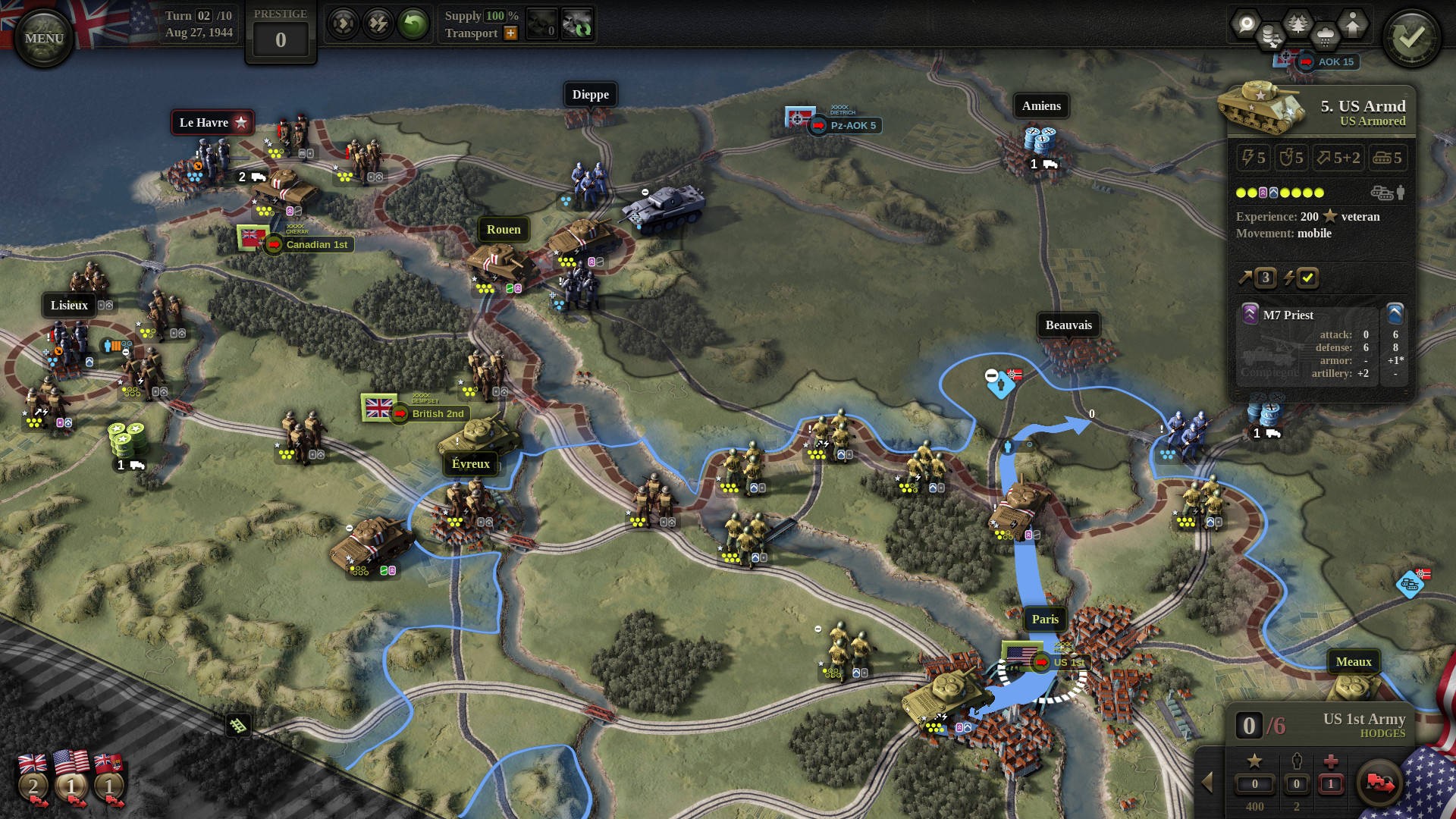
Jumping into multiplayer games without a strategy is like going into battle unarmed. To maximize your chances of winning, you need to have a game plan in place, both before the match starts and during gameplay.
- Pre-match planning: Before a match begins, take a few moments to plan your approach. In Call of Duty, think about which weapons and perks suit the map or game mode. For MOBA games, strategize with your team about lane assignments and objectives.
- Adapting your strategy: In many multiplayer games, flexibility is key. You may need to adjust your strategy mid-game based on how the match is progressing. In League of Legends, if your lane opponent is dominating, you may need to shift to a more defensive strategy or call for assistance from a teammate.
- Learn from pros: Watching professional players can provide valuable insights into strategy. Esports players often share their strategies in live streams or tutorial videos, giving you a chance to learn from the best.
Having a clear strategy—and knowing when to adapt it—can give you a significant advantage over players who rely solely on instinct.
8. Stay Calm Under Pressure
Multiplayer games can get intense, especially in high-stakes moments like clutch situations or endgame battles. Staying calm under pressure is essential to maintaining focus and making smart decisions.
- Avoid tilt: "Tilt" refers to a state of frustration where players become overly emotional, leading to poor performance. Recognize when you’re tilting and take steps to reset mentally. Stepping away from the game for a few minutes or grabbing a drink can help clear your mind.
- Focus on the next play: In multiplayer games, especially competitive ones, it’s easy to dwell on mistakes. Instead of fixating on what went wrong, focus on what you can control moving forward. This mindset helps you stay in the game mentally and improves your overall performance.
- Use stress-reducing techniques: Simple breathing exercises can help calm your nerves during tense moments. Before an important in-game action, like a 1v1 or a high-stakes team fight, take a deep breath to center yourself.
Players who remain calm under pressure are more likely to make smart decisions that lead to victory, while those who let frustration take over tend to make mistakes.
9. Practice And Patience
Success in multiplayer games doesn’t happen overnight. Becoming a skilled player requires time, effort, and plenty of practice. The more you play, the better you’ll get at understanding the nuances of your game.
- Set realistic goals: Instead of aiming to be the best right away, set smaller, achievable goals. For example, focus on improving your aim or mastering a specific role before moving on to more complex strategies.
- Practice regularly: Dedicate time each day or week to practice. Whether it’s working on your aim in CSor practicing rotations in Rocket League, consistent practice is the key to improvement.
- Be patient with your progress: It’s natural to experience ups and downs in multiplayer gaming. Don’t get discouraged by losses or setbacks. Use each game as a learning experience, and over time, you’ll see steady improvement.
Patience and persistence are critical to becoming a top-tier player. The more time you invest in practice, the better your skills will become.
10. Optimize Your Gaming Setup
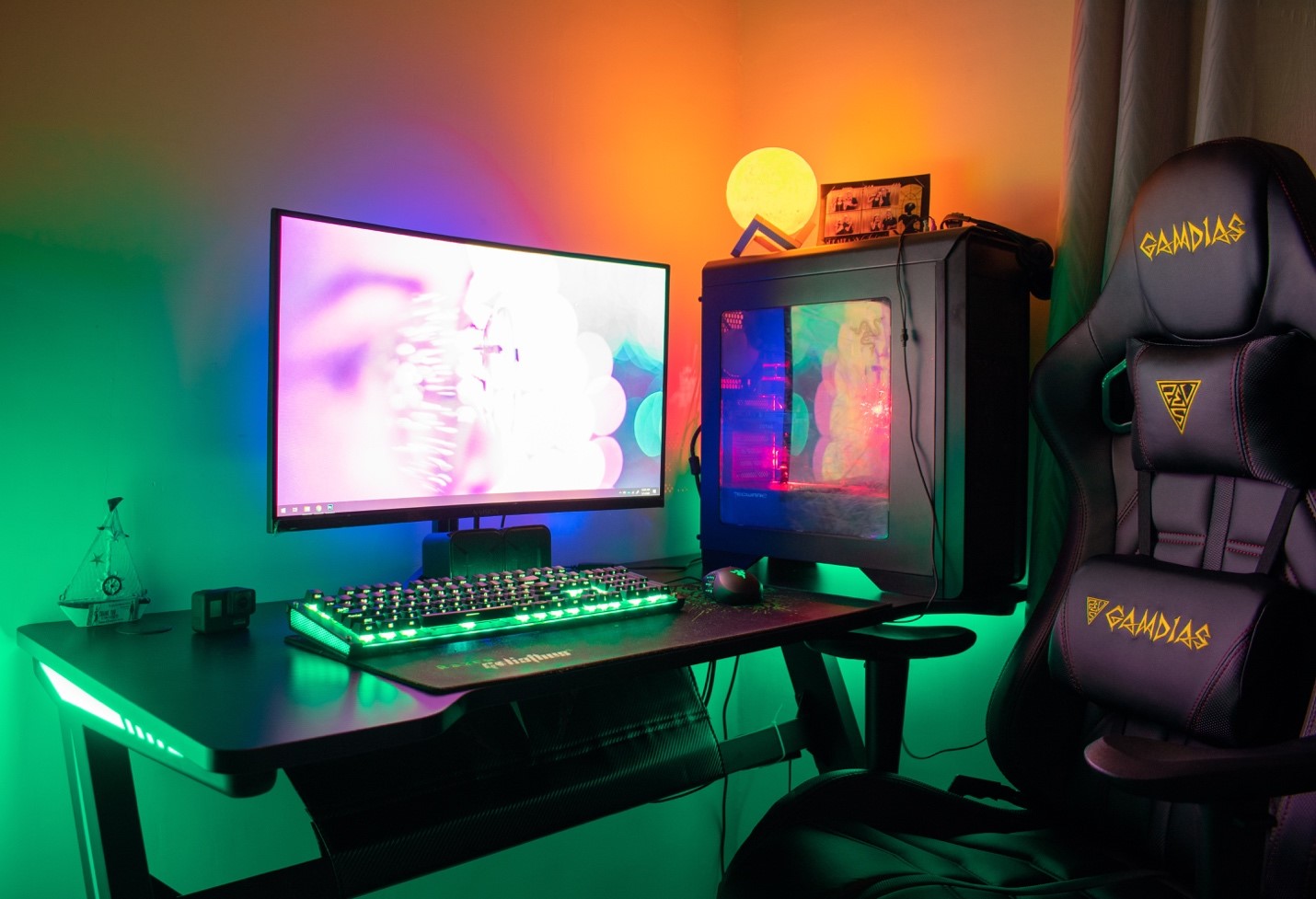
Your gaming setup plays a significant role in your performance. Having the right hardware and accessories can give you an edge, especially in fast-paced multiplayer games where split-second decisions matter.
- Upgrade your PC or console: If you’re serious about multiplayer gaming, consider investing in better hardware. For PC gamers, a higher-end graphics card, a solid-state drive (SSD), and sufficient RAM can significantly improve performance. For instance, a graphics card like the NVIDIA RTX 3070 ensures you can play modern titles at high settings without lag. Console gamers upgrading to next-gen systems like the PlayStation 5 or Xbox Series X can enjoy better frame rates and faster load times.
- Use a high-refresh-rate monitor: Competitive players in games like Call of Dutyor Valorantbenefit greatly from using a monitor with a refresh rate of at least 144Hz. A high refresh rate reduces motion blur and input lag, giving you faster visual feedback, which is essential in games where reaction time is critical.
- Choose the right gaming mouse and keyboard: For FPS games like Overwatchor CS, precision is key. Invest in a gaming mouse with customizable sensitivity (DPI settings), like the Razer DeathAdder or the Logitech G Pro X. Mechanical keyboards are also preferred by many gamers for their fast response times and durability.
Optimizing your setup not only enhances your gameplay experience but also gives you a competitive edge against opponents with less efficient gear.
11. Set Up A Comfortable And Dedicated Gaming Space
Having a dedicated gaming space can improve your focus and comfort, allowing you to game for longer periods without fatigue.
- Invest in a quality chair: A good gaming chair with lumbar support can help prevent back pain and improve your posture during long gaming sessions. Ergonomic chairs designed for gamers, like the Secretlab Titan or the Razer Iskur, are highly recommended.
- Organize your gaming area: Keep your gaming setup clean and organized to reduce distractions. A clutter-free space helps you focus on the game and enhances your overall experience. Consider adding cable management solutions and keeping your desk organized.
- Personalize your space: Make your gaming area your own by adding decorations or memorabilia from your favorite games. This can make the space more enjoyable and motivate you during gaming sessions. You can also add RGB lighting or posters of your favorite esports teams to create an immersive environment.
A comfortable, personalized gaming space not only improves your focus but also helps prevent the physical strain associated with long gaming sessions.
12. Follow Professional Gamers And Streamers
Learning from professional gamers and streamers can provide valuable insights into improving your own gameplay. Watching top-tier players in action can teach you new strategies, tactics, and mechanics that you might not have considered.
- Watch streamers in your favorite game: Platforms like Twitch and YouTube are home to some of the best players in the world. Watch streamers who specialize in your favorite game to see how they approach different situations. For example, watching Shroudplay Apex Legendsor Summit1gin Sea of Thievescan teach you valuable tricks and gameplay strategies.
- Engage with the community: Many streamers interact with their viewers, offering tips and answering questions. Take advantage of these opportunities to ask for advice and engage with the community. This also gives you insights into game METAand evolving strategies.
- Learn new strategies and stay updated: Streamers and professional gamers are often the first to adapt to new patches, balance changes, or META shifts in games. Following them ensures that you’re always up to date with the latest strategies.
By watching and learning from the best, you can incorporate their techniques into your own gameplay, helping you improve faster.
Read Also: Top 20 Popular Game Streaming Platforms For Gamers [<year> List]
13. Take Care Of Your Body And Mind
Long gaming sessions can take a toll on both your physical and mental health. It’s important to prioritize self-care to avoid burnout and ensure you’re able to perform at your best.
- Practice good posture: Sitting for long periods can strain your back and neck. Make sure your chair is adjusted to support your spine, and keep your feet flat on the ground to maintain proper posture. Your screen should be at eye level to avoid neck strain.
- Stay hydrated: Dehydration can lead to fatigue and reduced concentration. Keep a water bottle nearby during gaming sessions and take sips regularly to stay hydrated.
- Take regular breaks: It’s easy to get lost in a game, but long, uninterrupted gaming sessions can lead to burnout. Take short breaks every hour to stretch, rest your eyes, and refresh your mind. Pro players often follow a 50-10 rule, where they play for 50 minutes and take a 10-minute break to reset.
By taking care of your physical and mental health, you’ll be able to sustain longer, more focused gaming sessions and perform at your best.
14. Security And Privacy In Multiplayer Gaming
While multiplayer gaming is a great way to meet new people, it’s important to be cautious about your personal information. The online gaming world can expose you to potential risks, so taking steps to protect your privacy and security is essential.
- Keep personal information private: Never share sensitive information like your real name, home address, or financial details with other players. Stick to using your gaming handle or username when communicating online.
- Enable two-factor authentication (2FA): Protect your gaming accounts by enabling two-factor authentication. This adds an extra layer of security, making it harder for hackers to gain access to your account. Games like Fortniteand League of Legendsoffer 2FA for added protection.
- Report toxic or abusive behavior: Most games have reporting features for handling harassment or toxic behavior. Don’t hesitate to report inappropriate actions to protect yourself and maintain a positive gaming environment. Being proactive about toxic players also improves the community for others.
Staying vigilant about your privacy ensures that your multiplayer gaming experience remains safe and enjoyable.
15. Focus On Fun, Not Just Winning
While winning is always a great feeling, it’s important to remember that gaming is ultimately about having fun. Focusing too much on winning can lead to frustration and burnout, especially if you’re on a losing streak.
- Don’t take losses too seriously: Every player experiences losing streaks, and it’s part of the learning process. Instead of getting upset, treat each loss as a chance to learn and improve. Many pro players recommend watching your gameplay after a loss to understand what went wrong.
- Play with friends: Multiplayer games are more enjoyable when played with friends. Even if you’re having a tough game, playing with people you know can make the experience more fun and less stressful.
- Take breaks when needed: If you find yourself getting frustrated, take a break. Step away from the game for a few minutes, reset your mindset, and come back refreshed. Gaming should be an enjoyable experience, not a source of stress.
By keeping the focus on having fun, you’ll maintain a healthier relationship with multiplayer gaming and avoid the frustration that comes with focusing solely on winning.
FAQs About Multiplayer Gaming
How Can I Improve Teamwork In Multiplayer Games?
Improving teamwork requires clear communication, understanding your role, and adapting to your teammates. Use voice chat or non-verbal tools like pings to coordinate with your team. Regularly playing with the same group of people can help build chemistry, allowing you to anticipate each other’s moves.
What Should I Do If I Keep Losing In Multiplayer Games?
Losing streaks are common in multiplayer games, but they provide valuable learning experiences. Analyze your losses to identify mistakes, and consider adjusting your strategy or playstyle. Don’t hesitate to take a break if you’re getting frustrated—it’s important to maintain a positive mindset while gaming.
How Do I Improve My Aim In FPS Games?
Improving your aim takes time and practice. Use aim training tools or practice modes in games like CS
How Do I Deal With Toxic Players In Multiplayer Games?
The best way to handle toxic players is to stay calm and avoid engaging with them. Use the mute or block functions if available, and report any inappropriate behavior through the game’s reporting system. Keeping a positive attitude helps you stay focused on the game, even when faced with negativity.
Conclusion
Multiplayer gaming is more than just a test of skill-it's about growth, teamwork, and enjoying the process of improvement.
By focusing on key areas like communication, game mechanics, and mental resilience, you can steadily improve and achieve more victories while enjoying every match along the way.
Remember that the journey is just as important as the destination. Every game offers a chance to learn and grow, and with these tips, you'll be well on your way to becoming a stronger, more engaged multiplayer gamer. Keep practicing, stay positive, and most of all, have fun!